
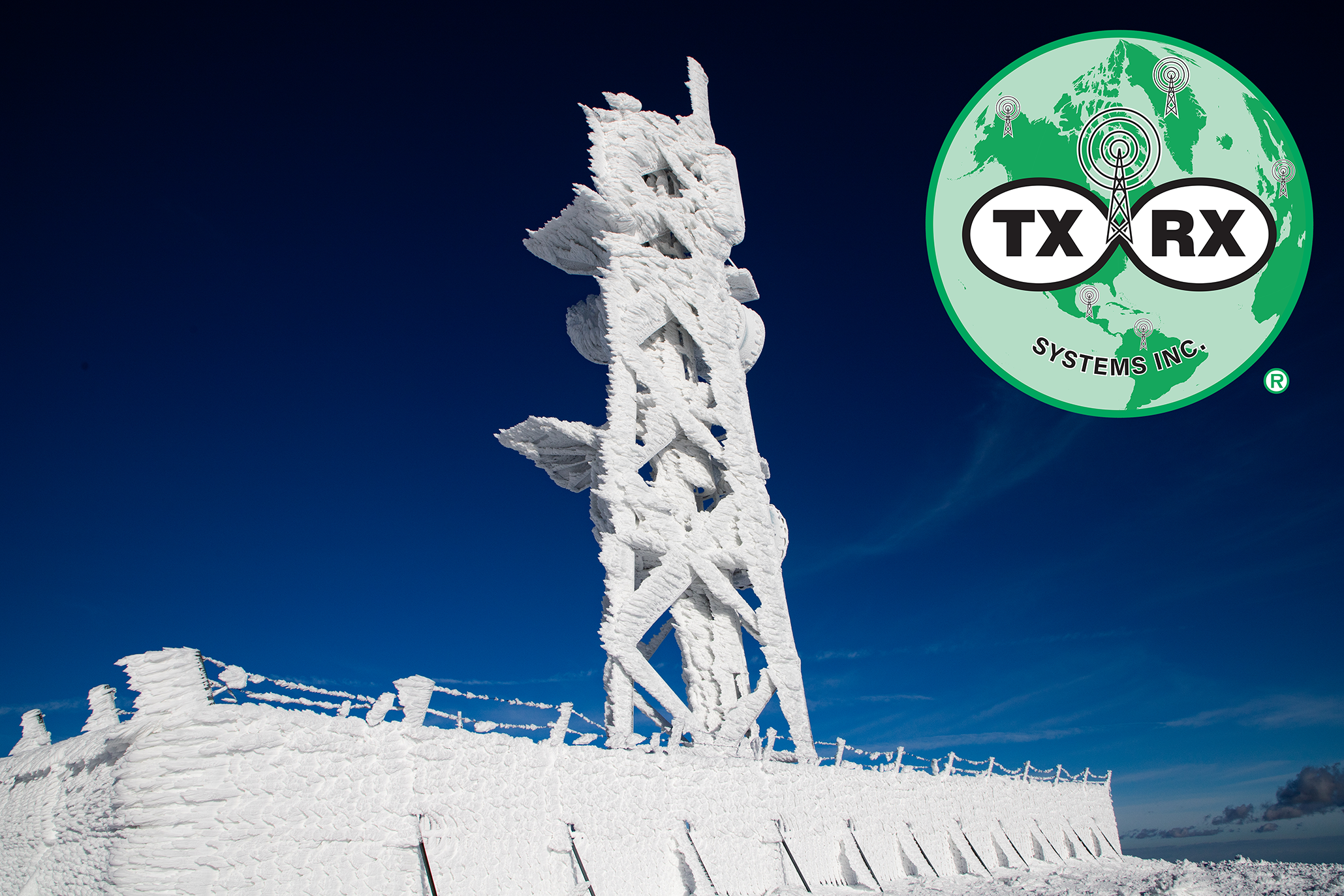
Why Environmental Temperature Swings Quietly Detune LMR Infrastructure
Land Mobile Radio systems are typically designed and commissioned under controlled conditions. Once deployed, those same systems are exposed to daily and seasonal temperature swings that place constant mechanical and electrical stress on RF infrastructure. Unlike sudden failures, temperature driven changes accumulate slowly and often remain undetected until performance degradation affects users.
Industry guidance from organizations including TIA and IEEE has long documented the relationship between temperature variation and RF behavior. Changes in ambient conditions alter physical dimensions, material properties, and electrical characteristics across both passive and active components, shifting system performance without triggering alarms.
How Thermal Expansion Alters RF Performance
Every RF component expands and contracts as temperature changes. Cavities, filters, antennas, and feedlines experience minute dimensional shifts that directly affect resonant frequency, insertion loss, and impedance. While these changes are small in isolation, their cumulative impact across a signal path can meaningfully alter system balance.
As operating frequencies increase and channel spacing tightens, tolerance for thermal movement decreases. What was once negligible drift at lower frequencies now contributes to elevated noise floor, reduced isolation margins, and increased susceptibility to interference.
Why Temperature Effects Appear After Commissioning
Acceptance testing is typically performed during limited environmental conditions. Systems may meet all specifications during commissioning yet behave differently during extreme heat, cold, or rapid temperature transitions. These effects are especially pronounced in outdoor sites and rooftop installations where exposure is unavoidable.
Because temperature driven detuning occurs gradually, it is often misattributed to coverage issues, interference sources, or user equipment. Without longitudinal visibility into RF behavior, the root cause remains unresolved.
Engineering for Thermal Stability
Long term LMR reliability depends on how well infrastructure is engineered to withstand temperature variation. Material selection, mechanical tolerances, and conservative design margins determine whether components maintain electrical stability across wide temperature ranges.
TX RX Systems engineers and manufactures RF conditioning hardware in the United States with thermal stability as a primary design objective. By controlling materials, machining precision, and assembly processes, TX RX passive components are designed to resist temperature induced drift documented throughout the RF industry. This approach reduces retuning frequency and preserves predictable system behavior across seasons.
Built to Remain Stable in a Changing Environment
As LMR systems operate in increasingly complex and congested spectrum environments, tolerance for environmental instability continues to shrink. Temperature resilience is no longer a secondary consideration. It is foundational to maintaining intelligibility, reliability, and compliance over the life of the system.
Infrastructure designed for thermal stability supports consistent performance regardless of environmental conditions. That stability is what allows mission critical networks to function as intended long after installation.